How to Tell If Your Water Needs Professional Treatment
If your water shows signs like bad taste, odor, or stains, local service providers can assess and perform professional water treatment to ensure safe, clean water.
Understanding when your water may need professional treatment is an important step for property owners concerned about water quality. If you notice unusual tastes, odors, or discoloration, these can be signs that your water isn't meeting standard quality levels. Additionally, if your water leaves deposits or stains on fixtures and appliances, it could indicate mineral levels that might benefit from expert assessment and treatment. Recognizing these practical indicators helps property owners determine whether seeking assistance from local contractors who specialize in water treatment could improve the safety and clarity of their water supply.
Many property owners in the area explore this topic to ensure their water remains safe for everyday use, whether for drinking, cooking, or cleaning. Regular testing and professional evaluations can identify issues that might not be immediately obvious but could impact health or appliance longevity. Local service providers who specialize in water treatment offer solutions tailored to address specific concerns, helping property owners make informed decisions about their water quality. Keep reading to learn more about how to spot the signs that your water needs professional treatment and how local experts can assist in maintaining clean, safe water for your property.
- Water testing and analysis - when there are signs of unusual taste, odor, or discoloration, local contractors can perform comprehensive water tests to identify contaminants.
- Sediment and particulate removal - if your water appears cloudy or contains visible particles, service providers can evaluate and install filtration solutions to improve clarity.
- Hard water treatment - areas with mineral buildup or soap scum may require professional water softening systems, which local pros can recommend and set up.
- Contaminant filtration - detection of chemicals, bacteria, or heavy metals in water prompts local contractors to install specialized filtration systems for safety.
- Water quality consultation - if you're unsure whether your water needs treatment, local service providers can assess your water source and advise on appropriate solutions.

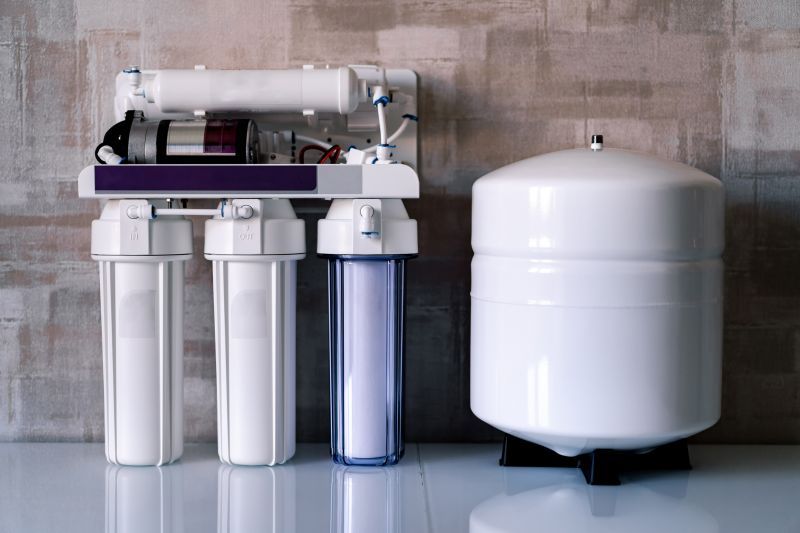
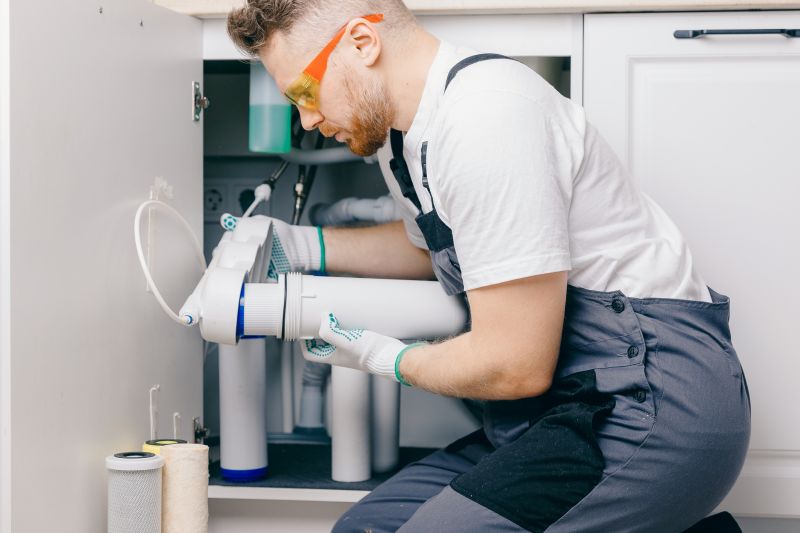
When homeowners search for how to tell if their water needs professional treatment, they are often concerned about the quality and safety of their household water supply. Common reasons for inquiry include noticing changes in water appearance, taste, or smell, which can signal underlying issues. These concerns may relate to problems like discoloration, foul odors, or a strange metallic or chemical taste. Property owners might also experience symptoms such as dry skin or hair, which can be linked to mineral levels in the water. Understanding these signs helps homeowners determine whether their water is safe for everyday use or if it requires the expertise of local service providers to address potential contaminants or system deficiencies.
This topic often ties into plans for improving water quality for daily household needs or preparing for renovation projects that involve plumbing updates. It may also be connected to addressing specific problems like hard water buildup, corrosion, or the presence of harmful substances such as bacteria, nitrates, or heavy metals. Homeowners with well systems, in particular, tend to be more attentive to water quality issues, as their supply is not treated by municipal sources. These concerns can influence decisions about installing or upgrading filtration systems, water softeners, or other treatment equipment. Local contractors who specialize in water treatment can evaluate the specific issues, recommend appropriate solutions, and ensure the property’s water supply meets safety and quality standards.
Properties that typically come up in this context include rural homes relying on private wells, older residences with aging plumbing, or properties in areas known for water quality challenges. Well owners often face unique concerns, such as bacterial contamination or mineral buildup, that require professional testing and treatment. Older homes may have outdated plumbing that affects water quality, prompting the need for system upgrades or treatment solutions. Additionally, properties near industrial sites or agricultural areas might be exposed to chemical contaminants, making professional assessment and treatment essential. These property types are more likely to benefit from the expertise of local water treatment service providers who can perform testing, recommend solutions, and install treatment systems tailored to the specific water issues.
Understanding how to tell if water needs professional treatment involves recognizing common signs and knowing when to seek expert help. Visible issues like cloudiness, sediment, or staining can indicate underlying problems, while unusual tastes or odors often point to chemical or biological contaminants. Homeowners should also consider the history of their water source and any recent changes in water quality. Connecting with local service providers allows property owners to get professional testing and advice, ensuring that their water is safe and suitable for everyday use. These specialists can recommend targeted treatments-such as filtration, softening, or disinfection-to resolve specific issues, helping homeowners maintain a healthy and reliable water supply for their household needs.
Water testing projects - These involve collecting and analyzing water samples to identify contaminants or impurities, similar to assessing water quality before professional treatment.
Well inspection services - Inspecting private water wells to evaluate their condition and water safety, which is essential for determining if treatment is necessary.
Filtration system installations - Installing and maintaining water filtration units, requiring knowledge of water quality issues and appropriate treatment solutions.
Water quality assessment projects - Conducting comprehensive evaluations of water sources to detect issues that may require professional treatment or remediation.
Water purification system upgrades - Upgrading existing systems to improve water quality, involving planning and understanding of water treatment options.
Plumbing and water line repairs - Repairing or replacing plumbing components that can affect water quality, often a preliminary step before treatment considerations.
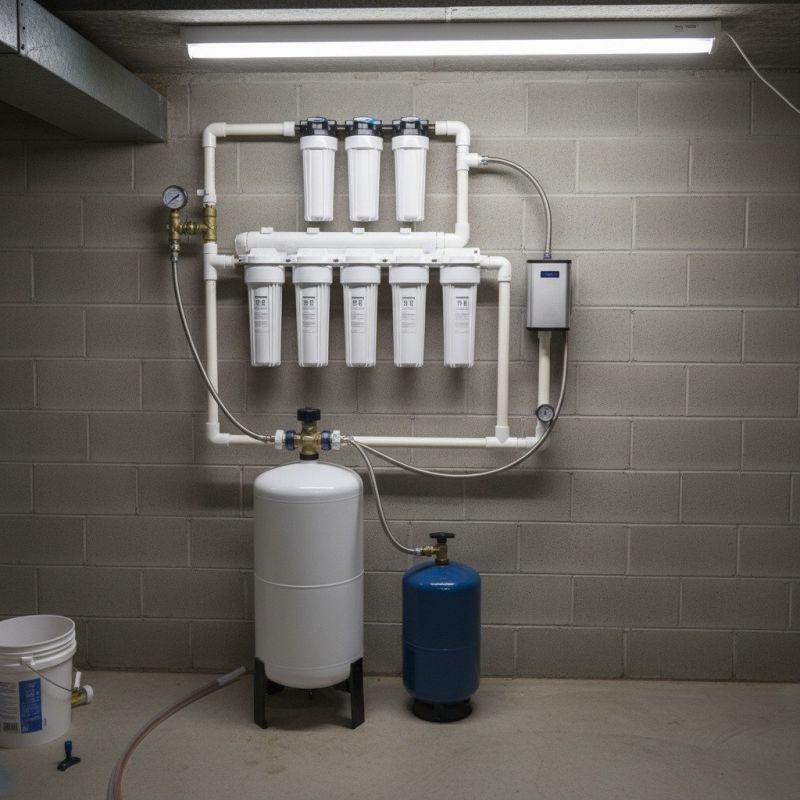
When evaluating different service providers for professional water treatment, it is important to consider their experience with similar projects. Homeowners should look for local contractors who have a proven track record of handling water quality issues comparable to their own, such as addressing specific contaminants or water source types. An experienced professional is more likely to understand the nuances of different water problems and recommend appropriate treatment solutions, ensuring the work is performed effectively and efficiently.
Clear written expectations are essential when comparing local pros for water treatment services. Homeowners should seek providers who can offer detailed descriptions of the services they provide, including the scope of work, the methods used, and any necessary follow-up steps. Having this information in writing helps prevent misunderstandings and ensures that both parties are aligned on what the project entails. Well-defined expectations also make it easier to compare proposals and select the service provider best suited to meet specific water quality needs.
Reputable references and good communication are key factors in choosing a reliable local contractor for water treatment. Homeowners are encouraged to ask for references from previous clients who had similar issues, as this provides insight into the contractor’s ability to deliver satisfactory results. Additionally, effective communication-such as prompt responses to inquiries and clarity in explaining the process-can make the entire experience more straightforward and less stressful. Service providers who prioritize transparent, open dialogue are often better equipped to address questions and adapt to the homeowner’s concerns throughout the project.
Property owners often search for how to tell if your water needs professional treatment when they are planning practical projects around their homes and businesses. Local pros provide Professional Water Treatment services for everyday jobs and straightforward project options.
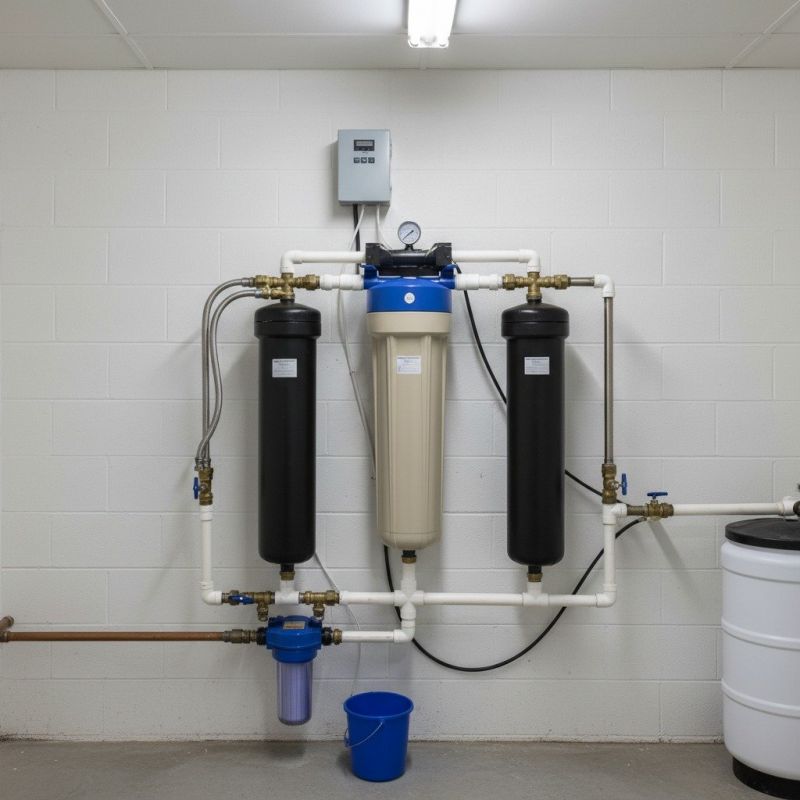
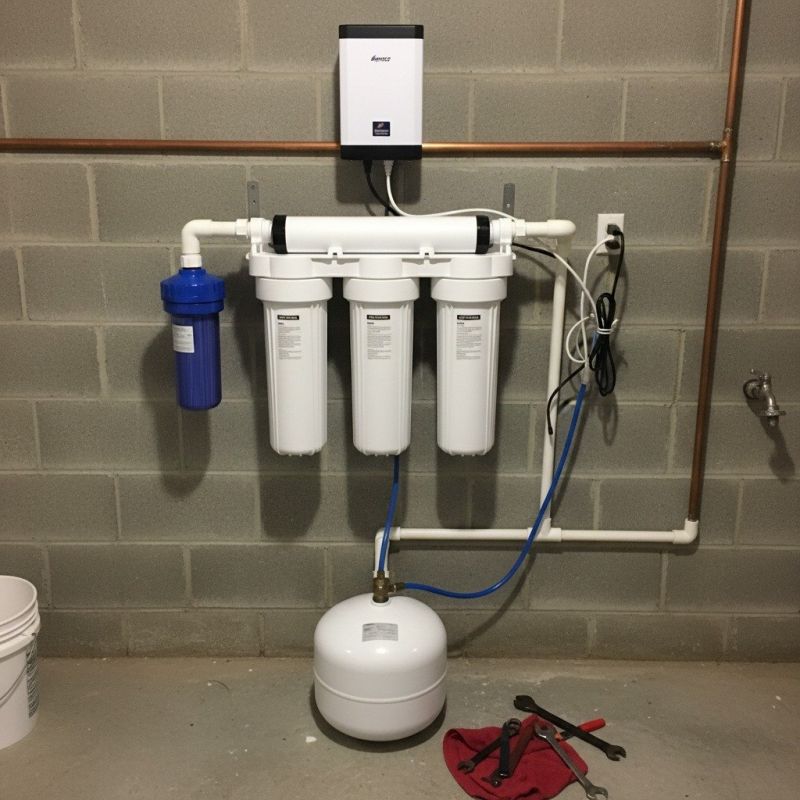
Property owners in the area often wonder how to tell if their water needs professional treatment, especially when they notice changes in taste, smell, or clarity. Common signs include a strong chlorine or sulfur odor, a noticeable change in color, or the presence of particles or sediment that don’t settle. Additionally, if appliances such as coffee makers or dishwashers start to experience buildup or clogging, it can indicate water quality issues that may require expert intervention. Recognizing these indicators early can help prevent more significant problems and ensure the water remains safe and clean for everyday use.
Many local residents seek professional water treatment services when they experience persistent issues like dry skin after showers, unusual staining on fixtures, or a metallic taste in drinking water. These symptoms can point to contaminants or mineral imbalances that simple filters might not address effectively. Consulting with local contractors who specialize in water treatment can provide a thorough assessment and solutions tailored to specific water quality concerns. By understanding these common warning signs, property owners can determine when it’s time to seek expert assistance to improve their water quality.
What are common signs that my water may need professional treatment? Indicators include unusual taste, odor, discoloration, or sediment in your water, which can suggest contamination or mineral build-up that requires expert assessment and treatment.
Can I tell if my water has harmful bacteria without testing? Visual cues like cloudiness, algae growth, or a foul smell may hint at bacterial presence, but professional testing is the most reliable way to determine if your water needs treatment for safety.
How do I know if my water's mineral content is too high? If your water leaves mineral deposits, causes soap scum, or has a metallic taste, a professional evaluation can determine if treatment is necessary to address hard water issues.
What symptoms in my household might indicate contaminated water? Symptoms such as skin irritation, gastrointestinal issues, or staining on fixtures can be signs that your water requires professional treatment to remove contaminants.
When should I consider having my water tested professionally? If you notice persistent taste, odor, discoloration, or other unusual characteristics, consulting local service providers for a professional water analysis can help determine if treatment is needed.
Unusual water taste or odor - noticing a strange or unpleasant flavor in your water can indicate contamination or mineral buildup that requires professional treatment.
Discolored or cloudy water - if your water appears murky or has visible particles, local contractors can assess whether filtration or purification systems are needed.
Health concerns or skin irritation - experiencing skin dryness, rashes, or other health issues after using tap water suggests the need for a water quality evaluation by experts.
Inconsistent water pressure or flow - sudden changes in water flow may point to underlying issues that professionals can diagnose and resolve with proper treatment solutions.
If you are thinking about how to tell if your water needs professional treatment for a property, this guide is meant to help you understand this topic, the typical project types, and how different options might fit your plans.
When you are ready, you can use the quote form on this page to share a few details about your project. From there, local pros can review the basics and follow up with options that match what you have in mind.